
Make with concrete
San Francisco's creative community studio for
making, learning, and exploring with concrete.
The material
Concrete that behaves like clay.
This is not bagged mix from a hardware store. It is a lightweight, fiber-reinforced formula developed over forty years to be worked by hand, and forgiving enough to learn in an afternoon.
Easy to handle
The mix presses, trowels and textures in the hand, similar to clay. If you have touched mud, your hands already know this material.
Cures overnight
No kiln, no firing schedule. Cast one day, pop it out of the mold the next. Cold weather slows it down, and an additive speeds it up when a piece has to move fast.
Almost no shrinkage
Aggregate and cement cream keep shrinkage low, though heat and cold still make any concrete move. Fiber reinforcement lets a piece flex instead of crack, so walls can go thin and light.
Built to be used
Strong enough to sit on or plant in, and light enough to lift, because you control how much material goes into it.
Workshops & classes
Six tracks, from first cast to finished form.
Every class ends with a real piece in your hands. Most people start with First Cast. Dates and pricing are being set now.
First Cast
Workshop floorBeginner · Two visits · 3 hours, then a shorter finishing sessionFirst visit: mix, press and trowel into a mold from the studio library, then texture and pigment the surface. Second visit: pop it out of the mold, stain, polish and seal it. The fastest way to find out whether this material is for you.
You make: A vessel, a planter or a set of tiles
Vessels & Objects
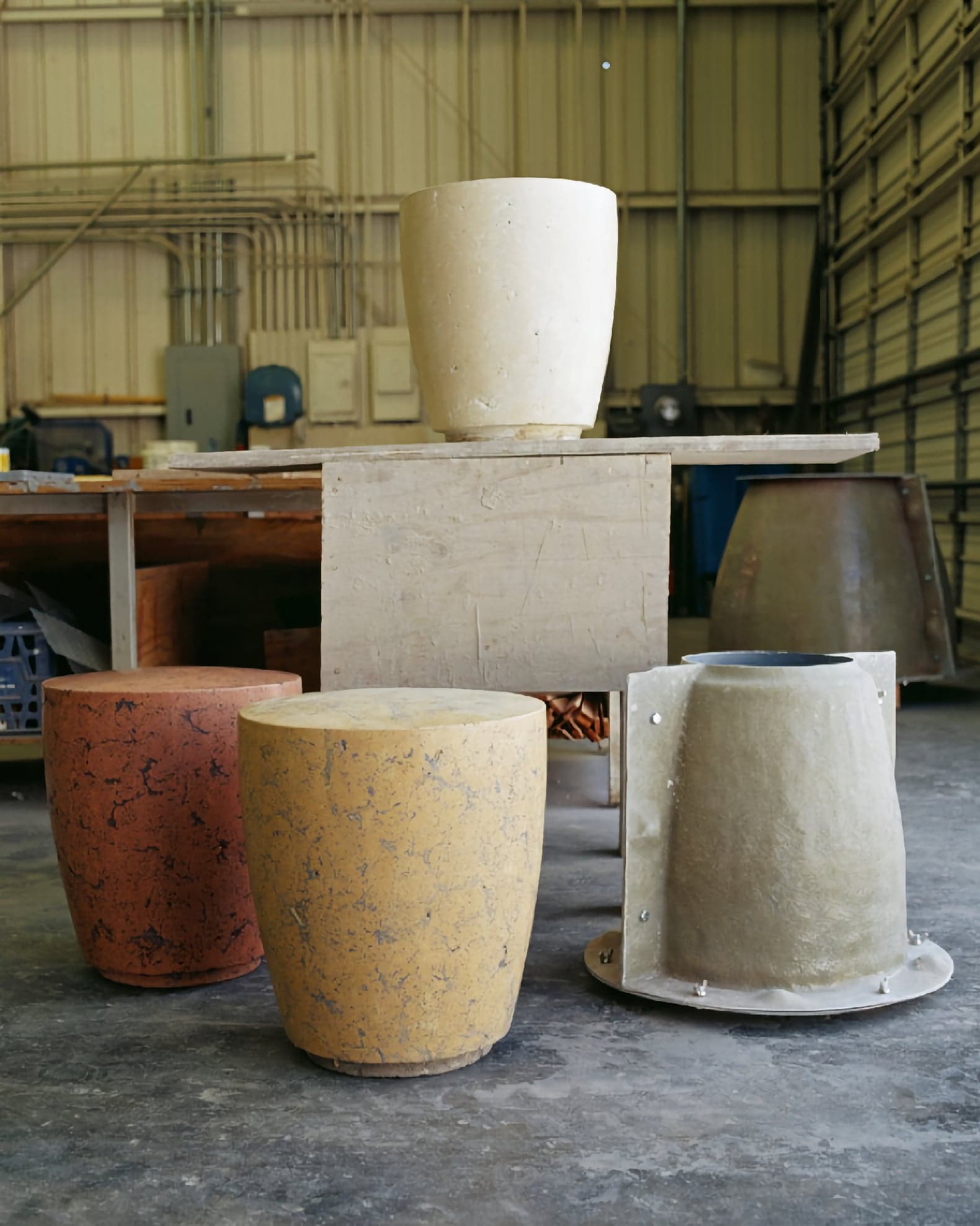
Workshop floorIntermediate · Multi-week seriesSculptural concrete forms: vessels, stools, side tables, planters, kitchenware, and more. You work a form from the studio library or bring a shape, then press, texture and pigment it into a finished piece.
You make: A vessel, small stool, side table, planter or a bowl
Cast-in-Place
Workshop floorIntermediate · Multi-week seriesBuild a form in place, then pour and finish the piece there. For larger work that needs a clean edge.
You make: A cast-in-place form with a finished edge
Mold Making
Back studioAdvanced · Extended formatGo into the back studio and build your own mold from a master — melamine-faced wood, plaster, or silicone, depending on the shape you are after.
You make: A reusable mold, plus one cast from it
Sealing & Finishing
Finishing roomAll levels · One session, or an add-onSealers, clear coats, faux-stone and metallic pours, in a dust-free room kept separate from the wet work. You learn how to pick a finish for the piece in front of you.
You make: A finished, sealed surface panel
Vertical & Sculptural
Workshop floorAdvanced · Extended formatA lightweight, carvable mix made for rock walls, vertical surfaces and large-scale installation work. Where the craft leaves the tabletop.
You make: A vertical panel or sculptural element
How it works
Pattern, mold, cast, finish.
Every piece in the studio moves through the same four stages. Beginner classes use the last two. Advanced classes take you back to the first.
- 01
Pattern
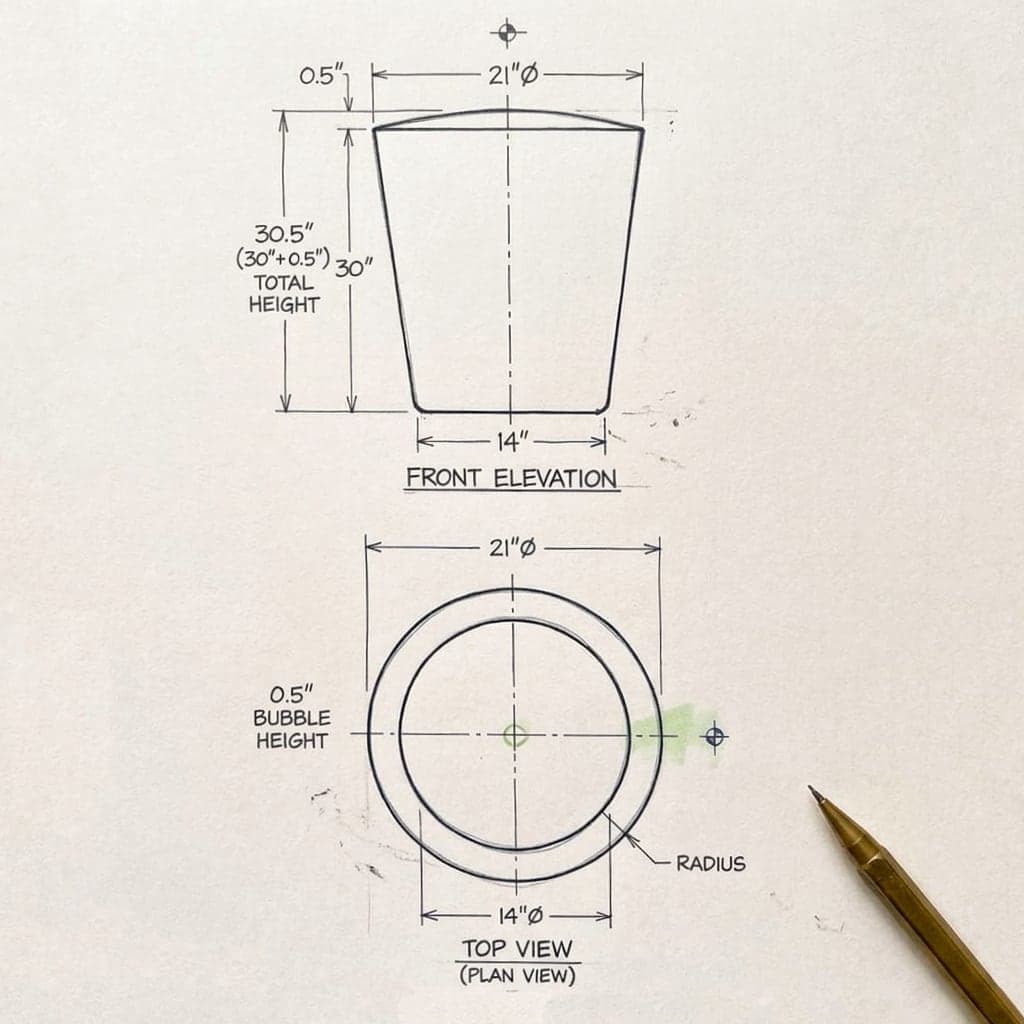
A master pattern is cut in the wood studio which can be a vessel, figure, tile, etc.
- 02
Mold
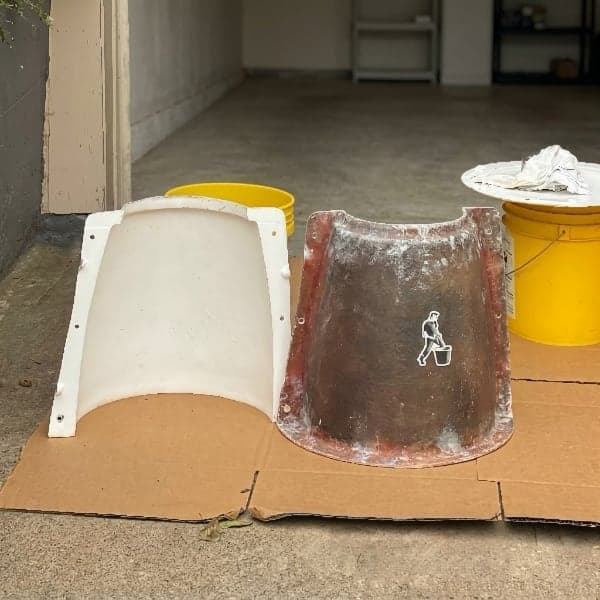
The master becomes a mold: melamine-faced wood for clean shapes, plaster for one-offs, silicone for texture and undercuts.
- 03
Cast
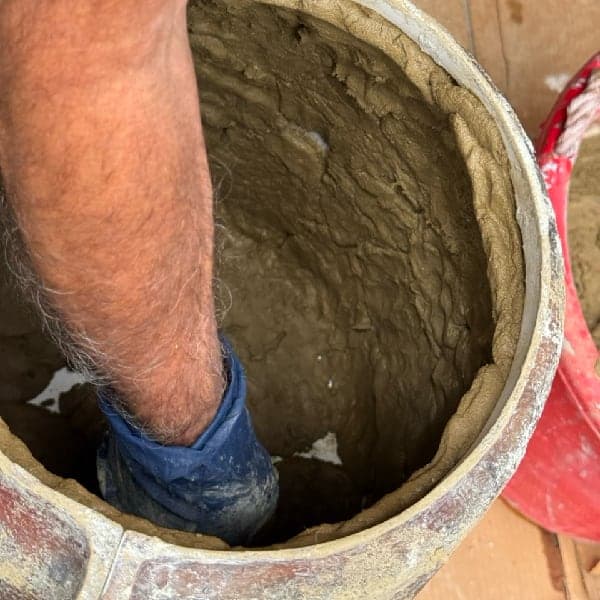
The mold moves to the workshop floor. You press, trowel, texture and pigment. It cures overnight (cold weather slows this process).
- 04
Finish
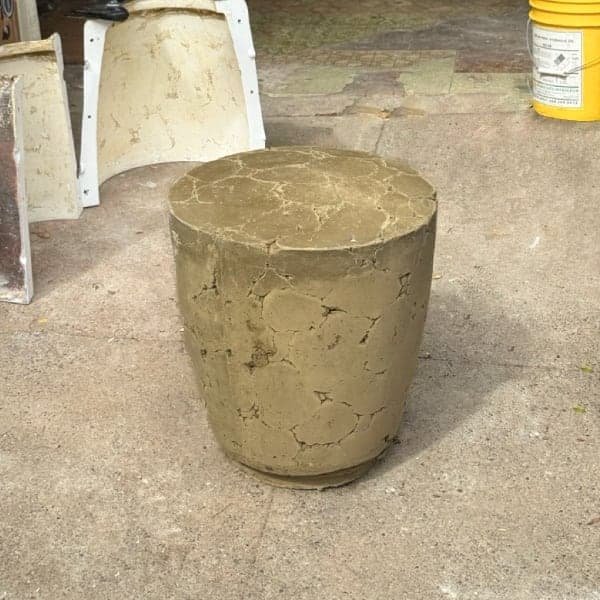
On the second visit you pop the piece out of the mold, then stain, polish and seal it in the finishing room. Clear coats and decorative pours happen here too.
The work
From our past experience.
The studio
A public floor, and a working studio behind it.
Classes run on the open workshop floor. Behind it, the working studio turns wood, clay, plaster and silicone into molds for advanced classes.
- Workshop floor
- Casting, pressing, and troweling stations with a library of pre-made molds.
- Wood shop
- Cut master patterns and build melamine-faced molds.
- Clay shop
- Throw and build clay positives to make molds from.
- Plaster & silicone
- Pour plaster for one-offs and short runs. Silicone for texture, undercuts and reuse.
- Polishing & mixing wet area
- A drained, hose-down bay for mixing batches and wet-polishing cured pieces
- Finishing room
- Seal, clear-coat and pour pigmented or metallic finishes in a vented, dust-free room.
About the team
Built on forty years of concrete.
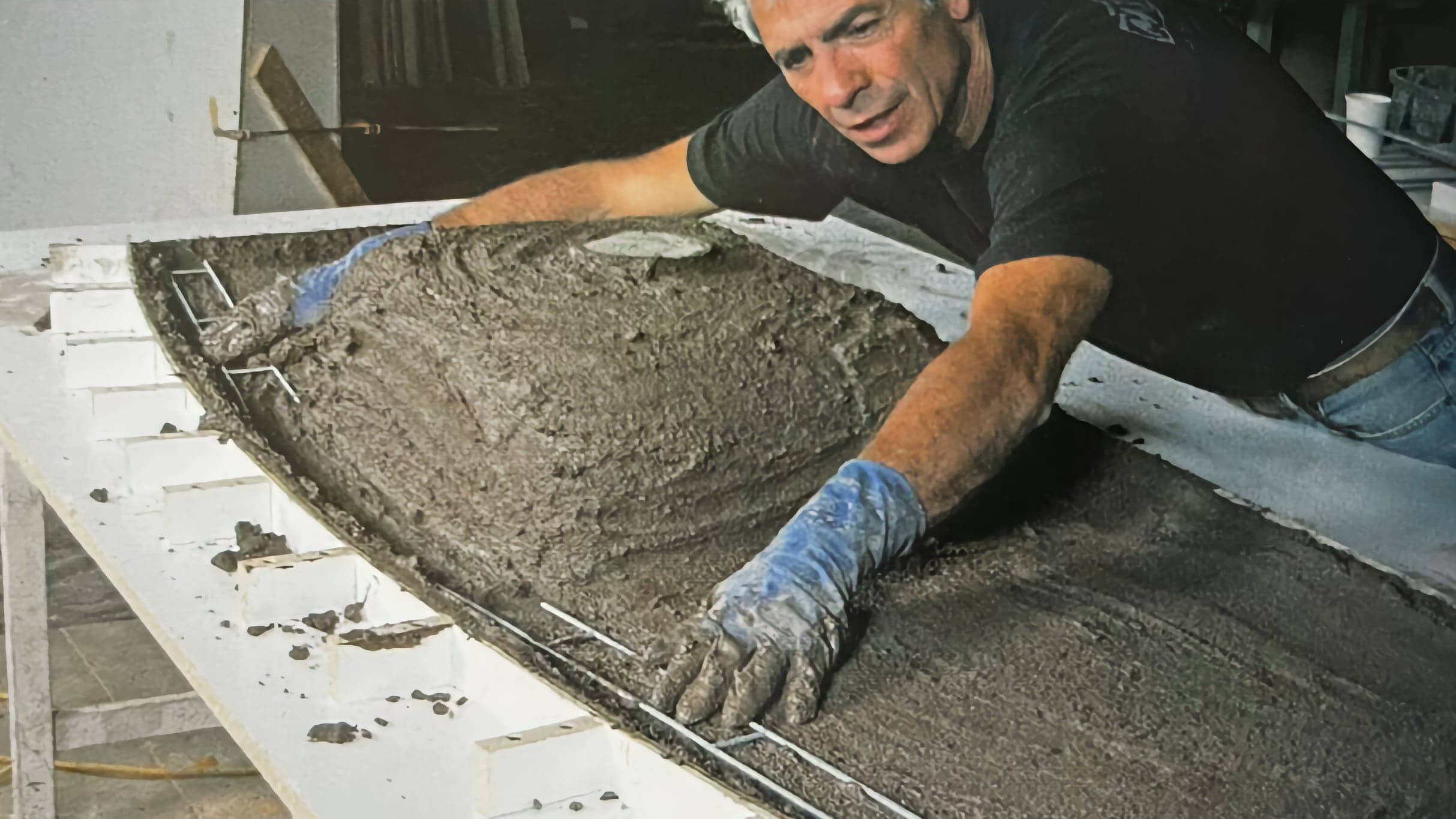
Buddy Rhodes has worked concrete since the 1980s. He trained in ceramics first, then founded Buddy Rhodes Studio and Buddy Rhodes Concrete Products, the decorative concrete company that helped define the category before it sold in 2012. The material behind this studio came out of that career, refined into something anyone can learn in an afternoon.
Learn more about the teamWhat to know
Common questions.
Do I need any experience?
No. The material was developed to be taught to beginners. Classes start at the beginning, and the mix is forgiving in a way most people do not expect from concrete.
How is this different from a pottery studio?
The feel in your hands is close — pressing, troweling and texturing. The differences are the end of the process. There is no kiln and no firing. Pieces cure overnight, so a class runs over two visits, and what you take home is a vessel, a planter, a small stool or side table, a set of tiles.
Will it crack?
The mix is fiber-reinforced and formulated for almost no shrinkage, which is the usual cause of cracking. Pieces are also light enough to carry and strong enough for daily use.
How long does a piece take?
Two visits. You cast on the first one and leave the piece in the mold overnight; a cold room makes that slower. On the second visit you pop it out, stain and polish it, and seal it. If you would rather not come back for the seal, we can finish it for you.
What can I actually make?
Sculptural concrete forms: vessels, stools, side tables, planters, kitchenware, and more. Advanced tracks add custom mold making, sealing and decorative finishes, and vertical work for walls and installations.
Are you open yet?
Not yet. We are scheduling pilot workshops and settling on a location. Leave your email and we will tell you when dates go up.
Can I have a piece made for me instead?
Yes. The same studio takes private commissions — a planter for a terrace, a set of stools or side tables, a run of tiles — using the same pipeline the classes use.
Be there for the first pour.
We're not open yet but pilot workshops are being scheduled now. Leave your email and we will tell you when dates and pricing go up.
Studio location: San Francisco, to be announced.
sfconcretecraftworks@gmail.com